
Matching black tuxedos will always have a place at weddings, but they are no longer the only option for the groom and wedding party.
Today’s couples are choosing attire that reflects the setting, season, level of formality, and personalities of the people wearing it. That might mean textured jackets for a winter wedding, linen separates at the beach, or a coordinated mix of colors instead of identical suits.
The goal is not to abandon formality. It is to create a wedding-party look that feels intentional and appropriate for the celebration.
Here are seven non-traditional groomsmen outfit ideas to consider.
1. Suits in Unexpected Colors
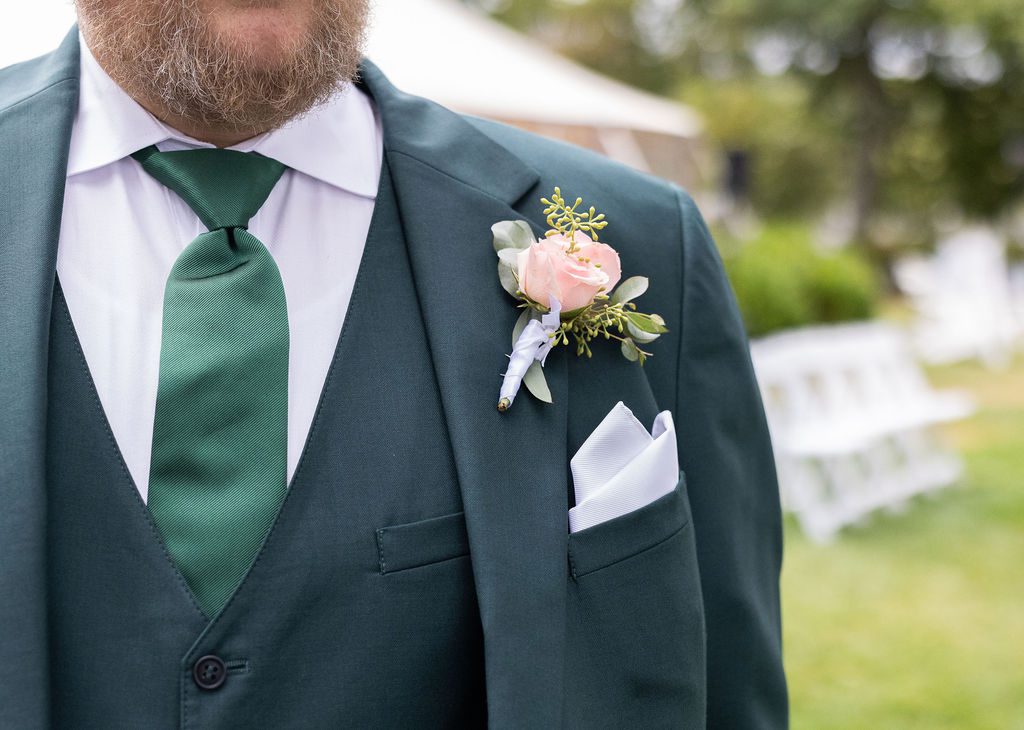
Black, navy, and charcoal are traditional choices, but wedding suits can extend well beyond those three colors.
Forest green, sage, burgundy, terracotta, light blue, chocolate brown, and warm tan can all create a distinctive wedding-party look. The best choice will depend on the season, venue, and surrounding wedding colors.
Deep green or burgundy works beautifully for a fall or winter wedding. Tan and light blue feel natural at summer, garden, or coastal celebrations. Brown and rust tones can complement a mountain or woodland setting.
Best for: Couples who want a coordinated look with more personality than a traditional black suit.
Styling tip: Compare fabric samples in natural light before making a decision. Colors can look very different online and under indoor lighting.
2. Coordinated Suits Instead of Exact Matches
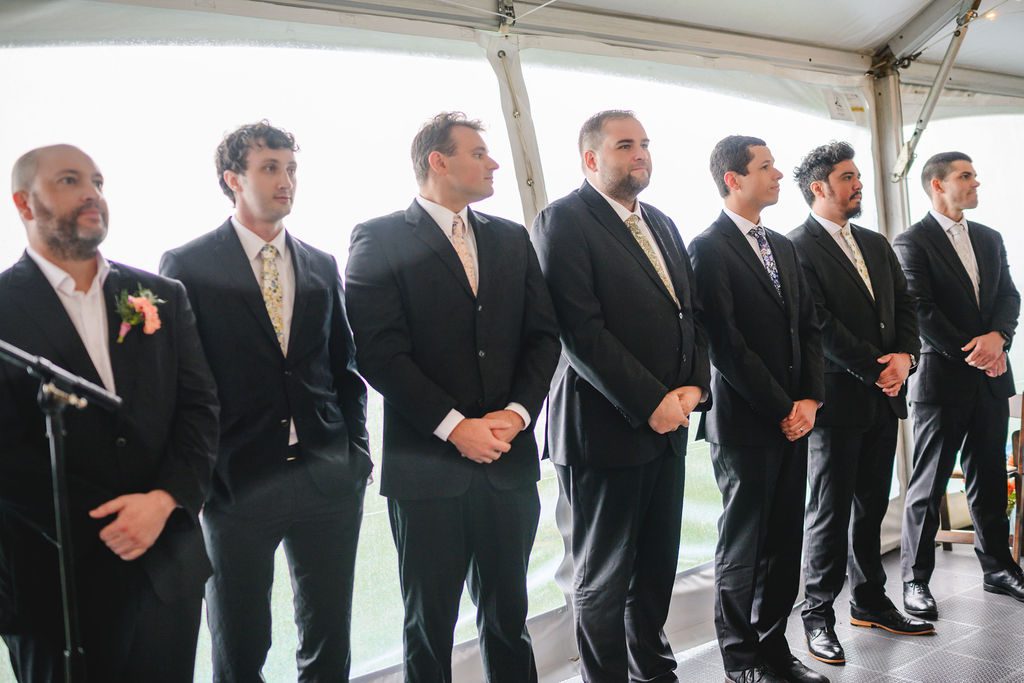
Members of the wedding party do not need to wear identical suits to look cohesive.
Choose a defined color palette and allow each person to select a suit within it. For example, the group could wear different shades of gray, complementary earth tones, or a combination of navy and blue.
A shared accessory can connect the individual looks. Matching ties, pocket squares, boutonnieres, shirts, or shoes can provide enough consistency without making everyone look exactly the same.
Best for: Wedding parties with different body types, budgets, and personal styles.
Styling tip: Create a visual guide with approved colors, fabrics, and accessories so the finished group still looks intentional.
3. Jackets and Trousers as Separates
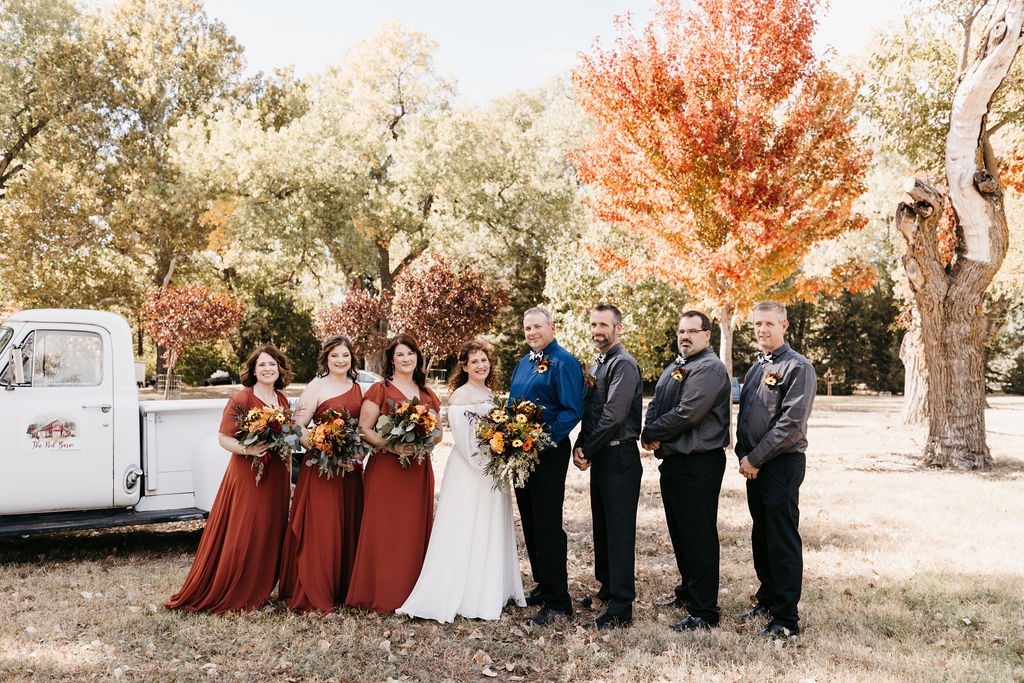
A sport coat paired with contrasting trousers creates a polished outfit without the formality of a matching suit.
A navy jacket can be paired with gray trousers, while a tweed jacket works well with dark chinos or wool pants. For a warm-weather celebration, consider a lightweight jacket with tan or cream trousers.
Separates can be especially useful when the wedding takes place at an inn, vineyard, barn, or outdoor estate where a tuxedo might feel too formal.
Best for: Semi-formal weddings and couples who want a relaxed but elevated look.
Styling tip: Keep the fabrics similar in formality. A structured formal jacket will not always coordinate well with very casual pants.
4. Patterned Suits or Accessories
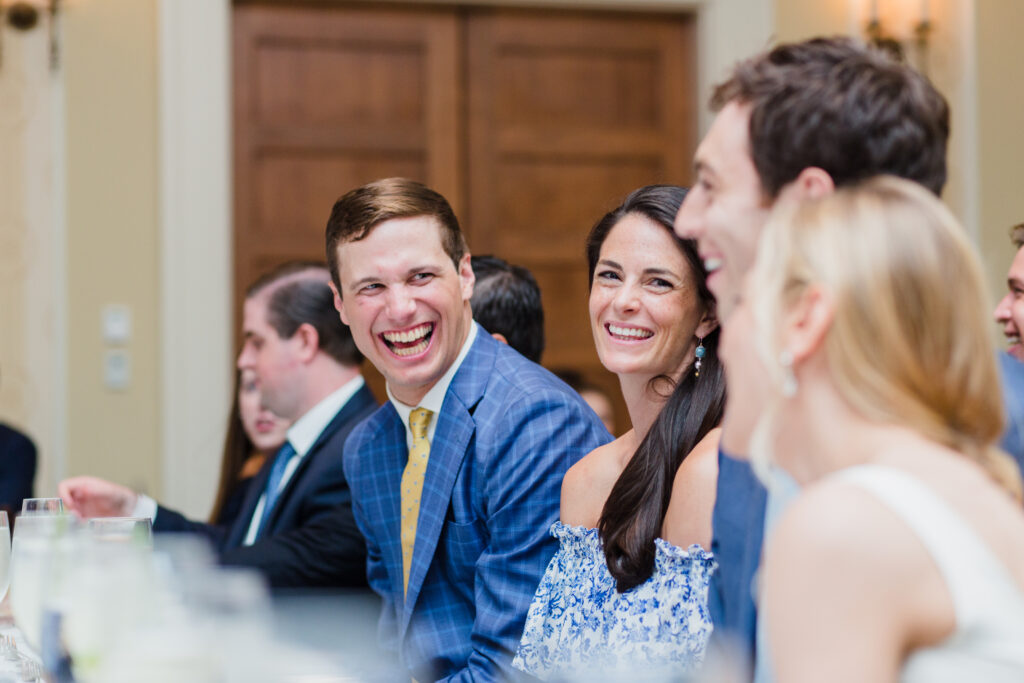
Patterns can add personality and dimension to wedding-party attire.
Plaid, windowpane, herringbone, and subtle floral patterns are all possibilities. The groom might wear a patterned suit while the wedding party wears solid colors, or the entire group can introduce patterns through ties, socks, shirts, or pocket squares.
One patterned element is often enough. Combining a patterned suit, shirt, tie, and pocket square can make the outfit feel visually crowded.
Best for: Fashion-forward couples, historic venues, and fall or winter weddings.
Styling tip: Use smaller, quieter patterns when several members of the wedding party will be wearing them.
5. Textured Fabrics for a Seasonal Wedding
Texture adds visual interest without relying on bright colors or bold patterns.
Tweed, velvet, corduroy, wool, and linen can help the wedding party’s attire feel connected to the season. Velvet dinner jackets work particularly well for formal winter celebrations, while linen and lightweight cotton are suited to warm-weather weddings.
New England’s changing seasons offer plenty of opportunities to use texture. Tweed can complement a mountain wedding in October, while a light linen blend works beautifully near the coast in July.
Best for: Seasonal weddings and venues with strong architectural or natural character.
Styling tip: Consider comfort alongside appearance. Heavy wool or velvet will not be comfortable during an outdoor summer ceremony.
6. Casual Shirts With Suspenders or Vests
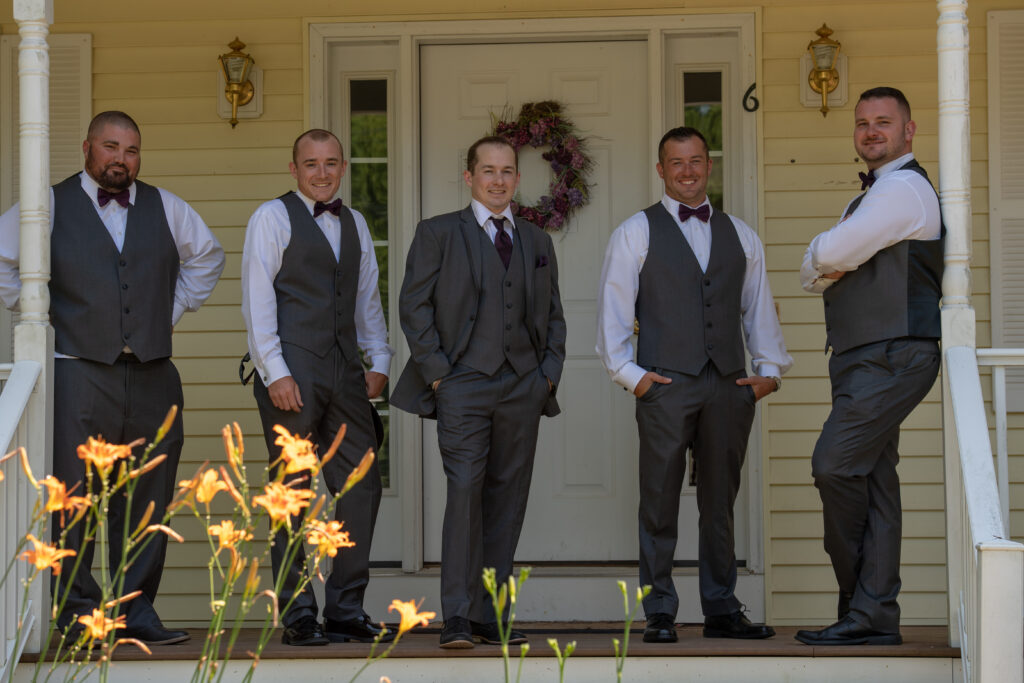
For a casual wedding, the wedding party may not need jackets at all.
Button-down shirts paired with tailored trousers, suspenders, or vests can create a relaxed look that still photographs well. Rolled sleeves may be appropriate after the ceremony, but the shirts should begin the day pressed and properly fitted.
This style works best when the wedding itself is genuinely casual. Removing jackets does not automatically make an outfit appropriate for a beach, barn, or backyard celebration.
Best for: Casual outdoor weddings, backyard celebrations, and relaxed receptions.
Styling tip: Select quality shirts that are not transparent and provide enough room for comfortable movement.
7. Attire Selected for Each Person
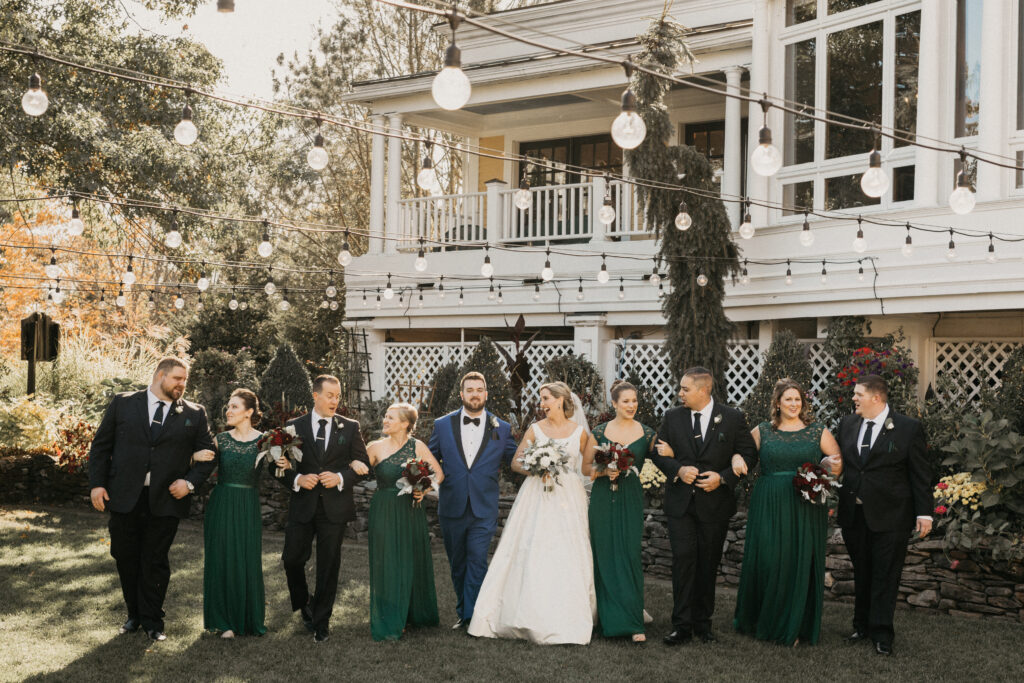
One of the most practical non-traditional approaches is to give each member of the wedding party more flexibility.
Instead of assigning the same outfit to everyone, establish a color palette and level of formality. Each person can then choose an outfit that fits their body, identity, budget, and comfort level.
A coordinated wedding party might include suits, jumpsuits, dresses, or separates in complementary colors. The result can feel visually unified without requiring everyone to dress the same way.
Best for: Mixed-gender wedding parties and couples who value personal expression.
Styling tip: Ask everyone to submit their outfit choice before purchasing it. This gives you an opportunity to correct a color or formality mismatch early.
How Should the Groom Stand Out?
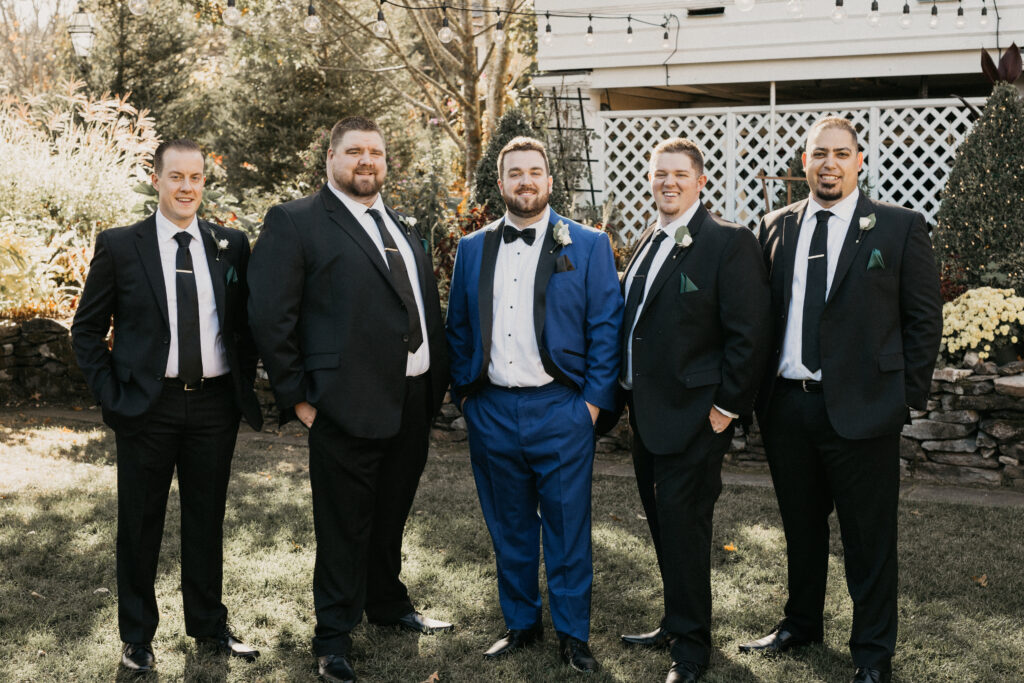
If the wedding party is wearing coordinated but non-matching attire, the groom should still be visually distinguishable.
This can be accomplished through:
- A different suit or jacket color
- A patterned or textured jacket
- A distinctive boutonniere
- A different tie or bow tie
- A vest worn only by the groom
- More formal footwear
- A custom shirt, suit, or accessory
The distinction does not need to be dramatic. A subtle difference can make the groom recognizable while keeping the full group cohesive.
Coordinate With the Wedding’s Dress Code
Wedding-party attire establishes expectations for the rest of the celebration. If the invitation says black tie, casual separates will feel disconnected from the event. Likewise, tuxedos may feel out of place at an informal daytime ceremony on the beach.
Consider the complete guest experience when choosing attire:
- Venue and ceremony setting
- Time of day
- Season and expected temperature
- Wedding colors and floral design
- Formality of the wedding dress or other ceremony attire
- Cultural or religious considerations
- Activities planned throughout the day
The clothing should support the celebration instead of competing with it.
Plan for New England Weather
New England weather can shift considerably throughout a wedding day. A warm afternoon can become a cold evening, particularly near the ocean or in the mountains.
For summer weddings, select breathable fabric and avoid unnecessarily heavy layers. For fall and winter celebrations, consider jackets, overcoats, wool fabrics, and appropriate shoes.
If portraits will take place outside, make sure everyone has footwear that can safely handle grass, gravel, sand, snow, or wet ground.
Give the Wedding Party Clear Instructions
Flexibility is helpful, but vague instructions often create confusion. “Wear something blue” can produce everything from a pale linen suit to a midnight-blue tuxedo.
Provide each person with:
- Approved colors
- Examples of acceptable outfits
- Required accessories
- Shoe color and style
- The expected level of formality
- Purchase or rental deadlines
- Tailoring deadlines
- Instructions for the wedding day
Schedule a final attire check several weeks before the wedding. That leaves time to handle missing pieces, tailoring, or incorrect orders.
Create a Look That Feels Like You
Non-traditional wedding attire should still feel thoughtful. The strongest looks connect the clothing to the couple, venue, season, and overall wedding design.
Whether you choose colorful suits, textured jackets, casual separates, or individually selected outfits, consistency is what makes the wedding party appear cohesive. Decide which elements will match, communicate the plan clearly, and give everyone enough time to prepare.
Planning a Wedding in New England?
Inked Events plans and coordinates weddings throughout New Hampshire and across New England. We help couples connect attire, flowers, rentals, stationery, and venue details into one cohesive wedding-day experience.
Schedule your complimentary consultation →
Inked Events is a New Hampshire wedding planning and design company serving couples throughout New England. NH Union Leader Readers’ Choice Winner, 2025 and 2026.


